After a stroke, physiotherapy helps the brain relearn movement through repeated, goal-focused practice. Rehabilitation targets weakness on one side, balance, walking, arm and hand use, muscle stiffness and shoulder pain. We provide stroke rehab at our Kirti Nagar clinic in West Delhi, involving the family at every step.
What a stroke does to movement
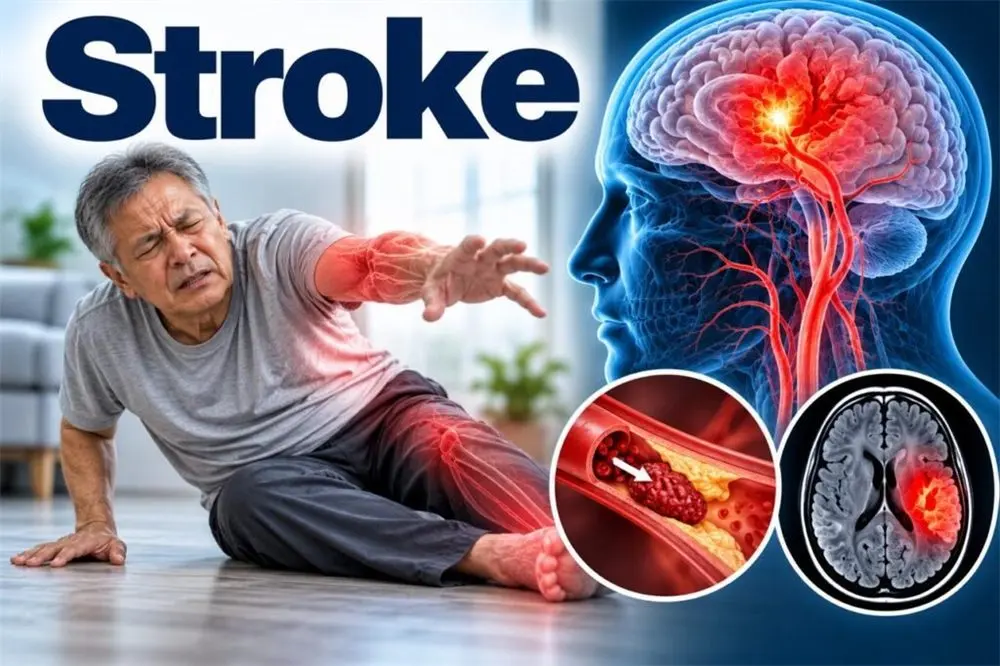
A stroke damages part of the brain, either because a blood vessel is blocked (ischaemic) or bleeds (haemorrhagic). Depending on where it happens, it can weaken one side of the body (hemiparesis), affect balance and coordination, cause muscle stiffness (spasticity), or disturb sensation, speech, swallowing and thinking.
How recovery works
The brain can reorganise itself – healthy areas can learn to take over some lost functions. This happens fastest in the first three to six months, but meaningful improvement can continue for years with the right practice. The key ingredients are repetition, challenge and practising real-life tasks.
What our stroke programme covers
- Bed mobility, sitting balance and safe transfers
- Standing and weight shifting onto the weaker leg
- Walking practice – with parallel bars, walker, stick and finally independently where possible
- Arm and hand training – reaching, grasping, fine motor tasks
- Managing spasticity with stretching, positioning and functional exercise
- Preventing and treating shoulder pain on the affected side
- Fall prevention and home safety
Where treatment happens
Sessions take place at our Kirti Nagar clinic, where equipment and space allow safe walking and balance practice.
Families are part of the team
We teach family members and carers safe ways to help with exercises, transfers and walking, so practice continues daily. Progress is reviewed regularly against goals agreed together.
Remember BE FAST: Balance loss, Eyes (vision loss), Face drooping, Arm weakness, Speech difficulty – Time to call an ambulance. Stroke is an emergency.
Helping at home: tips for families
- Encourage the person to use the weaker arm and leg in daily tasks – not to let the stronger side do everything.
- Place the TV, bedside table and visitors on the weaker side to encourage turning and attention to that side.
- Support the weaker arm on a pillow when sitting so the shoulder isn’t pulled down.
- Never pull on the weaker arm when helping someone stand.
- Keep a simple daily schedule of exercises and celebrate small wins.
Stroke Rehabilitation: questions patients ask us
How long does stroke recovery take?
The fastest gains are usually in the first three to six months, but improvement can continue for a year or more with regular practice.
Is it too late for physiotherapy years after a stroke?
No. Many people still improve walking, balance and arm use with focused rehab long after their stroke.
How many days a week is stroke physiotherapy needed?
Ideally several sessions a week early on, plus daily home practice. The plan is adjusted to the patient’s stamina.
Can physiotherapy reduce muscle stiffness after stroke?
Yes. Stretching, positioning and active exercise help manage spasticity. Some patients also benefit from medical treatments.
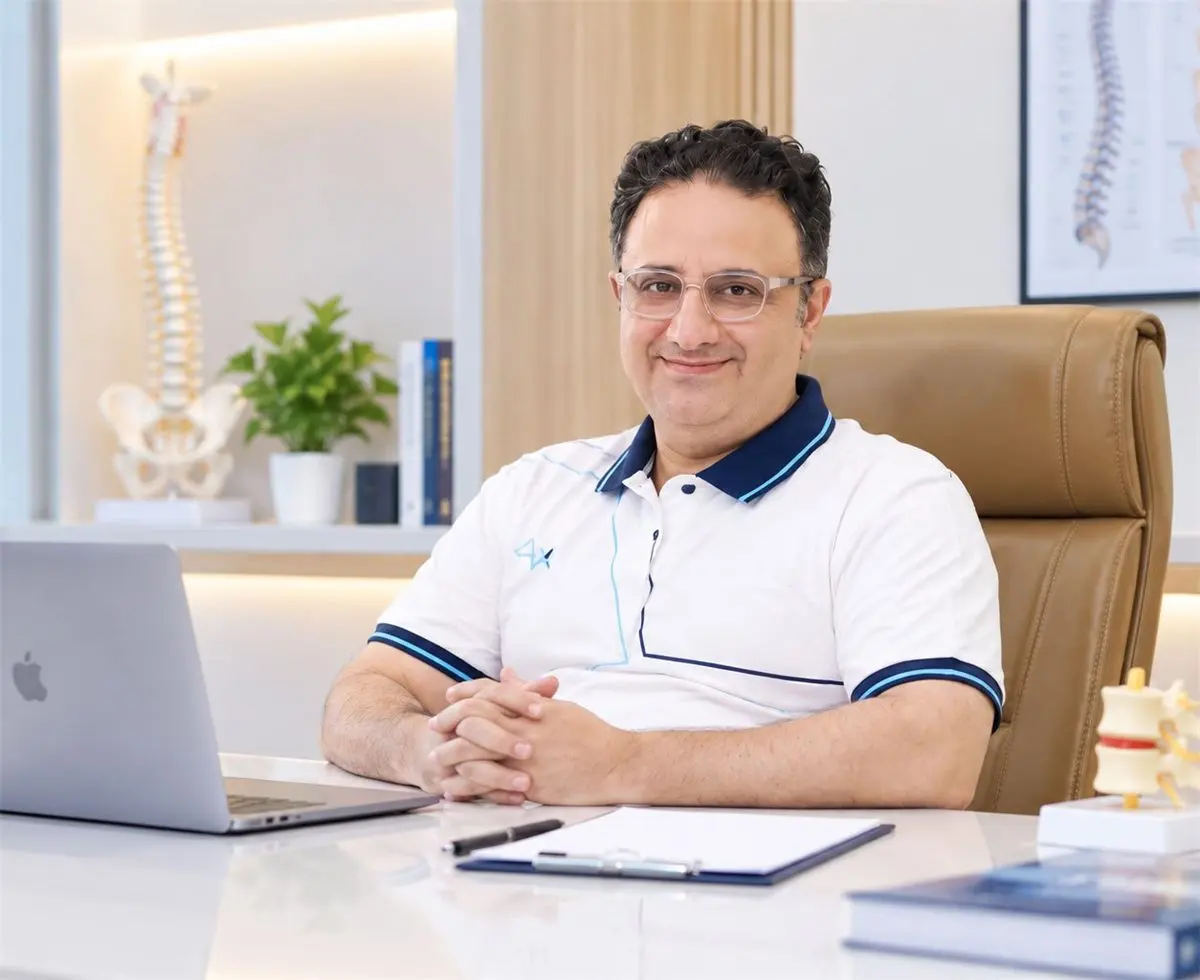
Reviewed by Dr. Varun Duggal – Chiropractor, Osteopath and Physiotherapist (MPT Ortho), Kirti Nagar, New Delhi.
Last updated: