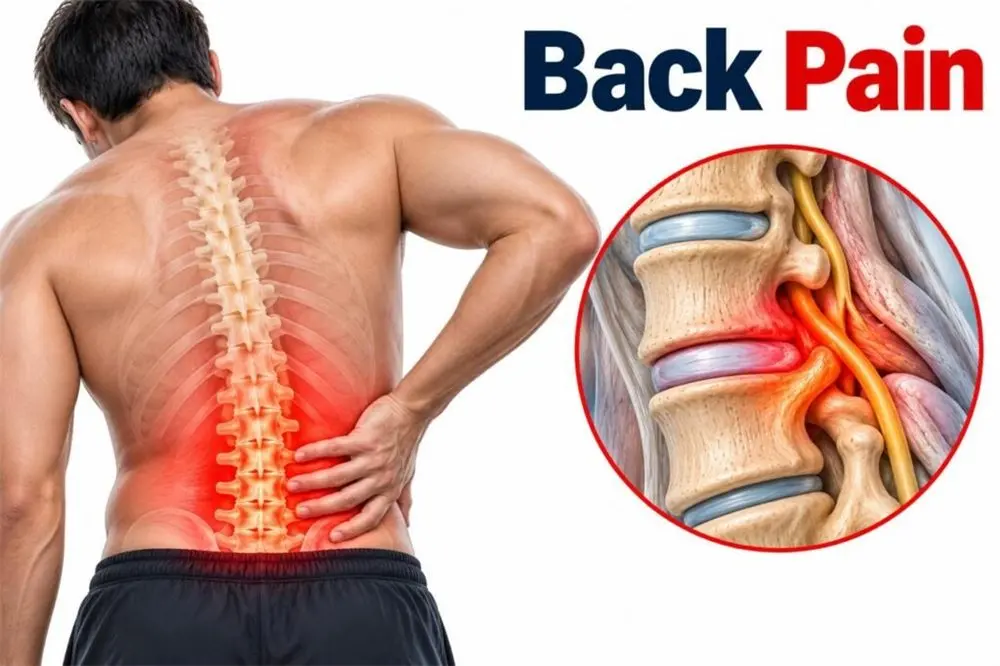
Most back pain comes from strained muscles, irritated joints or a stressed disc, not from serious disease. We find which structure is involved, ease the pain with hands-on care and targeted therapy, then rebuild strength so it is less likely to return. Surgery is rarely needed.
Why backs start hurting
The spine is built to move and carry load, but it does not like doing the same thing for hours. A day hunched over a laptop, a sudden twist while lifting a gas cylinder, a long drive or a weekend of gardening can all overload the muscles, joints or discs of the back. Sometimes there is no single trigger at all – just weeks of poor sleep, stress and little exercise adding up.
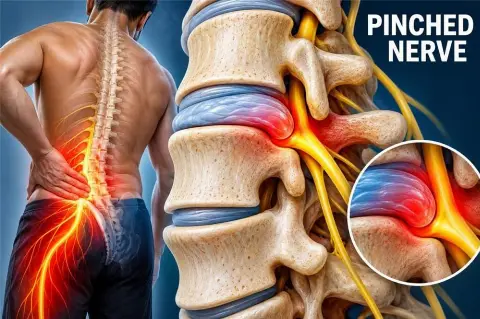
In the large majority of people, the cause is mechanical: a strained muscle, a stiff or irritated facet joint, a sacroiliac joint problem or a bulging disc. These respond well to the right treatment and rarely need an operation.
Types of back pain we treat
- Sudden lower back “catch” or spasm after bending or lifting
- Long-standing ache that is worse after sitting
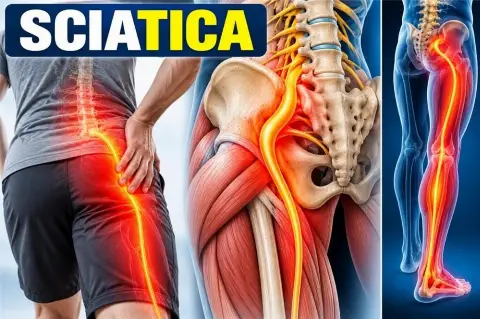
- Pain spreading into the buttock or leg (sciatica)
- Stiffness between the shoulder blades from desk work
- Back pain during or after pregnancy
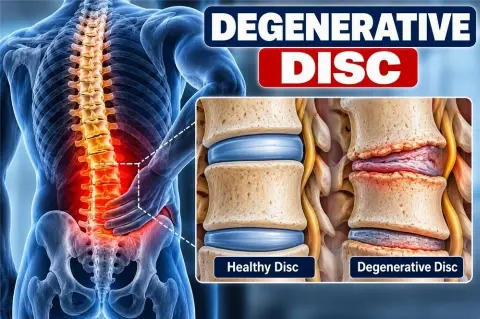
- Age-related stiffness from spondylosis
Warning signs that need a doctor first
Go to a hospital urgently if back pain comes with: loss of bladder or bowel control, numbness around the groin or inner thighs, rapidly worsening leg weakness, fever, unexplained weight loss, a history of cancer, or severe pain after a fall or accident.
How we treat back pain
- Find the source. We test movement, nerves, the hips and pelvis to work out whether muscle, joint, disc or nerve is the main problem.
- Calm it down. Gentle chiropractic adjustment or osteopathic mobilisation, soft-tissue release and, where useful, spinal decompression or IFT.
- Get you moving. Walking and simple mobility exercises from the first session – staying in bed slows recovery.
- Build resilience. Core, hip and back strengthening, and practical lifting and sitting advice.
How long will it take?
A fresh episode of mechanical back pain often settles noticeably within one to three weeks. Pain that has been around for months, or that involves a disc or nerve, usually needs a longer programme. Either way, we review progress every visit and adjust the plan rather than repeating the same routine.
Keeping your back healthy
Change position every 30–40 minutes, walk daily, keep the load close when lifting, and keep doing two or three of your exercises even after the pain has gone. Small habits like these are what keep most of our patients from coming back with the same problem.
What you can do at home today
- Keep walking. Two or three short walks a day help more than lying down for long periods.
- Use heat for spasm. A warm pack for 15 minutes can relax a tight lower back.
- Break up sitting. Stand and move for a minute every half hour, especially at a desk or while driving.
- Sleep supported. Lie on your side with a pillow between your knees, or on your back with a pillow under them.
- Avoid sudden heavy lifting until the pain settles – ask for help with water cans, buckets and cylinders.
If the pain is not clearly easing within a week, or keeps coming back, it is worth getting it assessed rather than waiting it out.
Back Pain: questions patients ask us
Should I rest in bed when my back hurts?
Short rest for a day can help in severe pain, but long bed rest slows recovery. Gentle walking and normal activity, within comfort, is usually better.
Do I need an MRI for back pain?
Usually not at first. An MRI is recommended when there are nerve symptoms, red-flag signs, or pain that does not improve with good treatment over several weeks.
Is chiropractic or physiotherapy better for back pain?
Both can help. Many people do best with a combination – hands-on care to ease pain and restore movement, and exercise to keep it that way. We use both.
Can back pain come back after treatment?
It can, especially if the habits behind it stay the same. Keeping up your exercises and changing position often greatly lowers the risk.
When is back pain an emergency?
If you lose bladder or bowel control, have numbness around the groin, or develop sudden leg weakness, go to a hospital straight away.

Reviewed by Dr. Varun Duggal – Chiropractor, Osteopath and Physiotherapist (MPT Ortho), Kirti Nagar, New Delhi.
Last updated: