Neurotherapy is a traditional, drug-free therapy developed in India that applies firm pressure at specific points on the body. We offer it as a complementary option for some patients with pain and functional complaints, alongside assessment-based chiropractic and physiotherapy care.
What neurotherapy is
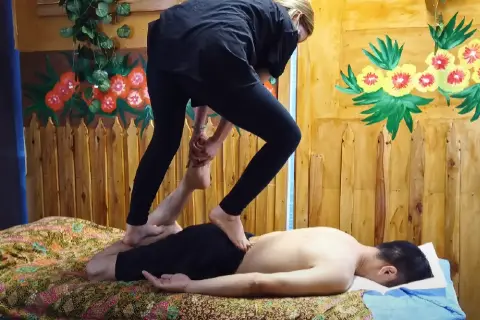
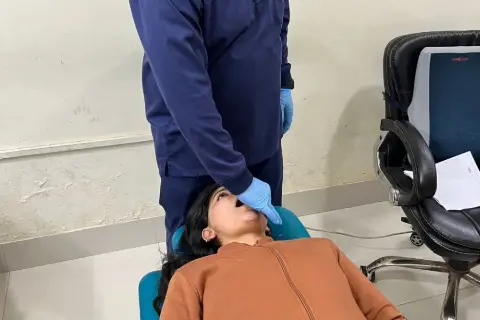
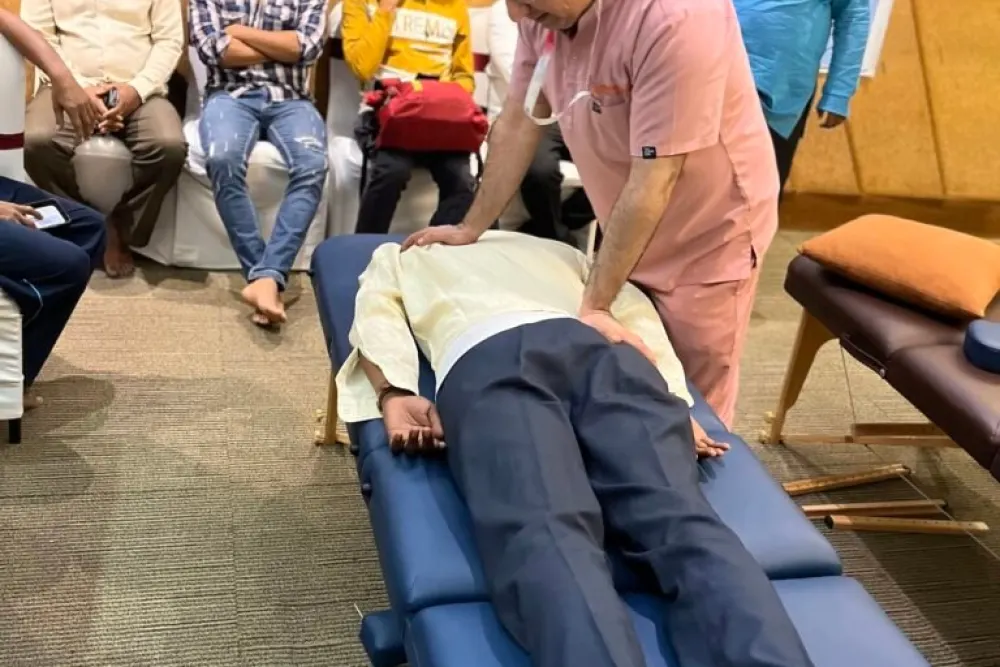
Neurotherapy, as practised in India, uses pressure applied with the hands, feet or heels at defined points – often on the back, abdomen and legs – in a set sequence. Practitioners believe this stimulates the body’s natural regulatory systems. It does not use medicines, needles or machines.
Our approach
We see neurotherapy as a complementary therapy. Scientific research on it is limited, so we do not use it to replace diagnosis, medical treatment or proven rehabilitation. Some patients who prefer drug-free methods find it helpful for relaxation and for certain pain complaints, and we offer it to them after a full assessment.
Who chooses it
- Patients who prefer traditional, drug-free approaches
- People with chronic muscle and back pain alongside other treatment
- Those seeking relaxation and stress relief
Safety first
Because firm pressure is used, neurotherapy is not suitable for everyone. It is avoided in pregnancy, with osteoporosis or recent fractures, bleeding disorders, recent surgery, abdominal hernia, or serious heart conditions. Medical conditions such as diabetes, blood pressure problems or thyroid disease must continue to be treated by your doctor – please do not stop any medicines.
The session
You lie on a firm table while pressure is applied in sequence at selected points. Sessions are short, usually 20–30 minutes. Some pressure points may feel tender.
Neurotherapy: questions patients ask us
Is neurotherapy a medical treatment?
It is a traditional complementary therapy. It does not replace medical diagnosis or treatment.
Can neurotherapy replace my medicines?
No. Never stop prescribed medicines without your doctor’s advice.
Is neurotherapy painful?
Some pressure points may feel tender, but pressure is adjusted to your comfort.
Who should not have neurotherapy?
Pregnant women and people with osteoporosis, recent surgery or fractures, bleeding disorders, hernia or serious heart conditions.
How long is a session?
Usually 20 to 30 minutes.

Reviewed by Dr. Varun Duggal – Chiropractor, Osteopath and Physiotherapist (MPT Ortho), Kirti Nagar, New Delhi.
Last updated: