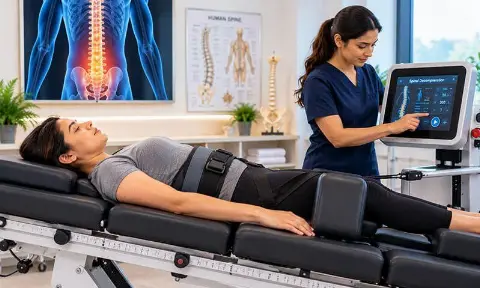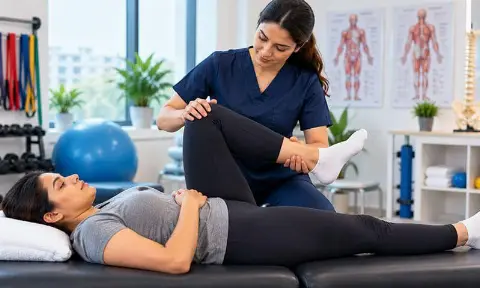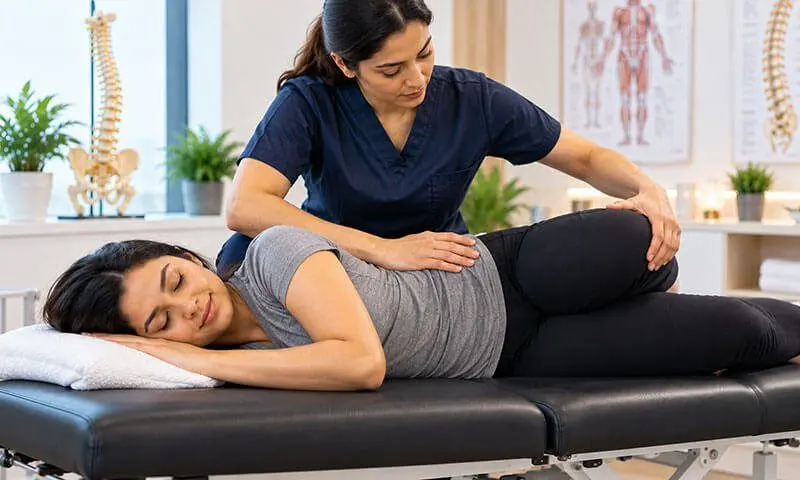
Osteopathy is a hands-on therapy that uses stretching, gentle joint mobilisation and soft-tissue techniques to ease pain and improve movement. Dr. Varun Duggal trained in osteopathy in Japan and Italy and often uses it for patients who prefer a softer approach than spinal manipulation.
A gentler way to work with the body
Osteopathy shares a lot with chiropractic care, but it tends to use slower, rhythmic techniques – stretching tight tissue, gently moving a joint through its range, and releasing tension in muscles and fascia. Osteopaths also look widely at how one area affects another: a stiff upper back changing how the neck moves, or a hip problem altering the way you load your lower back.
Many of our patients who feel anxious about quick “cracking” adjustments find osteopathic techniques more comfortable, and they are often well suited to older adults and people in acute pain.
Techniques we use
- Soft-tissue release – slow pressure and stretching to relax overworked muscles.
- Articulation – moving a joint repeatedly through its range to reduce stiffness.
- Muscle energy techniques – you gently push against light resistance, which helps a tight muscle let go.
- Myofascial release – sustained pressure on the connective tissue around muscles.
- Gentle manipulation – only where appropriate and with your consent.
Who may benefit
- Back and neck pain, including long-standing stiffness
- Shoulder, hip and knee pain linked to muscle imbalance
- Tension-type headaches
- Postural strain from desk work or driving
- Older adults who need a low-force approach
Combining osteopathy with exercise
Hands-on treatment can quickly change how a joint or muscle feels. To keep that change, the area needs to be used well. That is why osteopathic sessions here finish with simple exercises and posture tips, and why some patients move on to a short physiotherapy programme once pain has settled.
Is osteopathy safe?
Osteopathic techniques are generally gentle and well tolerated. As with any manual therapy, we screen for conditions that need medical attention first – unexplained weight loss, fever with back pain, recent major injury or progressive nerve symptoms – and refer when necessary.
What happens in an osteopathy session
- Conversation: where it hurts, how it started, your work, sleep and activity.
- Observation and palpation: we look at posture and feel for areas of restriction and tension.
- Treatment: a combination of gentle techniques on the painful area and the areas linked to it.
- Advice: a few simple exercises and changes to try before the next visit.
Most sessions last 30–45 minutes. Many people feel relaxed afterwards; some feel mild soreness for a day as the body adjusts.
Osteopathy: questions patients ask us
What is the difference between osteopathy and chiropractic?
Both are hands-on therapies for joints and muscles. Chiropractic often uses quick, precise adjustments; osteopathy tends to use slower stretching, mobilisation and soft-tissue work. Dr. Duggal is trained in both and chooses what suits you.
Is osteopathy painful?
It is usually comfortable. Some pressure on tight muscles can feel tender, and mild soreness for a day afterwards is normal.
How many osteopathy sessions will I need?
Recent problems often improve in two to four sessions. Long-standing issues may need more, alongside an exercise plan.
Can elderly people have osteopathy?
Yes. Its gentle techniques make it a good option for older adults, with methods adjusted for bone health and comfort.
Should I wear anything special?
Loose, comfortable clothing such as a T-shirt and track pants is ideal.
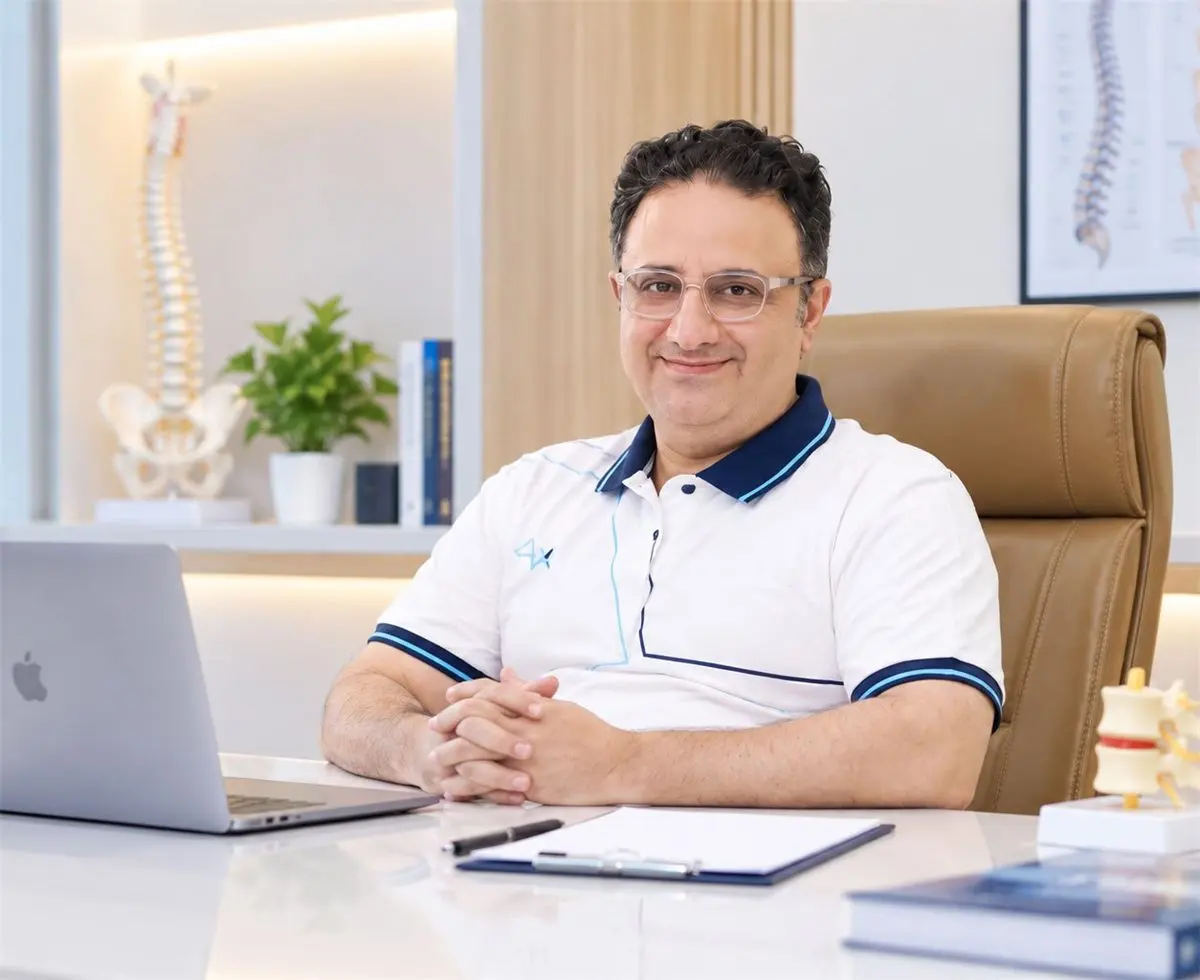
Reviewed by Dr. Varun Duggal – Chiropractor, Osteopath and Physiotherapist (MPT Ortho), Kirti Nagar, New Delhi.
Last updated: