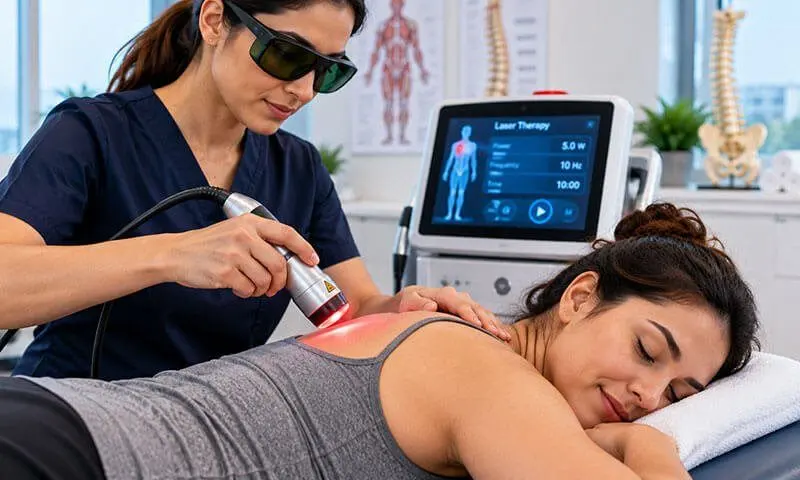
Laser therapy (low-level or photobiomodulation therapy) applies a focused light beam to painful tissue. It is painless and non-invasive, and we use it alongside manual therapy and exercise for tendon, joint and soft-tissue pain.
How laser therapy works
Therapeutic lasers used in physiotherapy are low-power. Unlike surgical lasers, they do not cut or burn. The light is absorbed by cells in the skin, muscle and tendon and is thought to influence local circulation, inflammation and pain signalling. Research results vary between conditions, so we see laser as a useful support rather than a stand-alone cure.
Where we use it
- Tendon pain – tennis elbow, Achilles and patellar tendinopathy, shoulder tendinitis
- Knee osteoarthritis flare-ups
- Plantar fasciitis and heel pain
- Neck and back muscle pain
- Small joint pain in the hands and wrists
What a session feels like
You will sit or lie comfortably while the laser probe is held over the painful area for a few minutes per point. Most people feel nothing at all, or a slight warmth. Both you and the therapist wear protective glasses. There is no recovery time – you can go straight back to normal activity.
Part of a bigger plan
Laser can reduce pain enough to make exercise and movement easier, which is where longer-term improvement happens. A typical session therefore combines laser with hands-on treatment and specific exercises. Most courses involve several short sessions over two to four weeks.
When laser is not used
- Directly over the eyes
- Over a known or suspected cancer
- Over the abdomen or lower back during pregnancy
- Over areas of active bleeding
- On skin that is very sensitive to light or after certain photosensitising medicines
What a course of laser therapy looks like
- Assessment: we confirm the cause of pain and that laser is suitable for you.
- Sessions: short treatments two to three times a week, usually for two to four weeks.
- Exercise alongside: as pain settles, strengthening and mobility work take over.
- Review: we check pain and function regularly and stop laser if it is not adding benefit.
Laser compared with other therapies
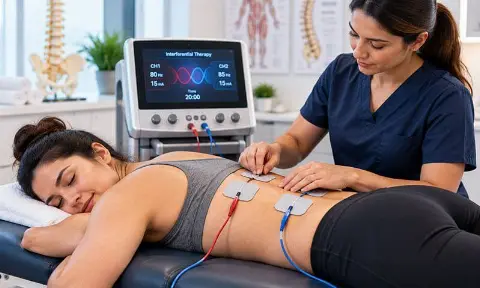
Laser is gentle and quick, with no recovery time. For long-standing tendon pain, shockwave therapy may give stronger results; for acute muscle spasm, IFT may be more comfortable. We choose based on your condition rather than using every machine on every patient.
Laser Therapy: questions patients ask us
Does laser therapy hurt?
No. Most people feel nothing or a mild warmth.
How many laser sessions are usually needed?
Commonly six to ten short sessions over a few weeks, combined with exercise and hands-on care.
Is laser therapy safe?
Low-level therapeutic laser is considered safe when used correctly. Eye protection is worn, and we avoid areas where it is not recommended.
Is this the same as laser surgery?
No. Therapeutic laser is low-power and does not cut or heat tissue the way a surgical laser does.
Can laser therapy be done on its own?
It can, but results are usually better when it is part of a plan that includes exercise and manual therapy.
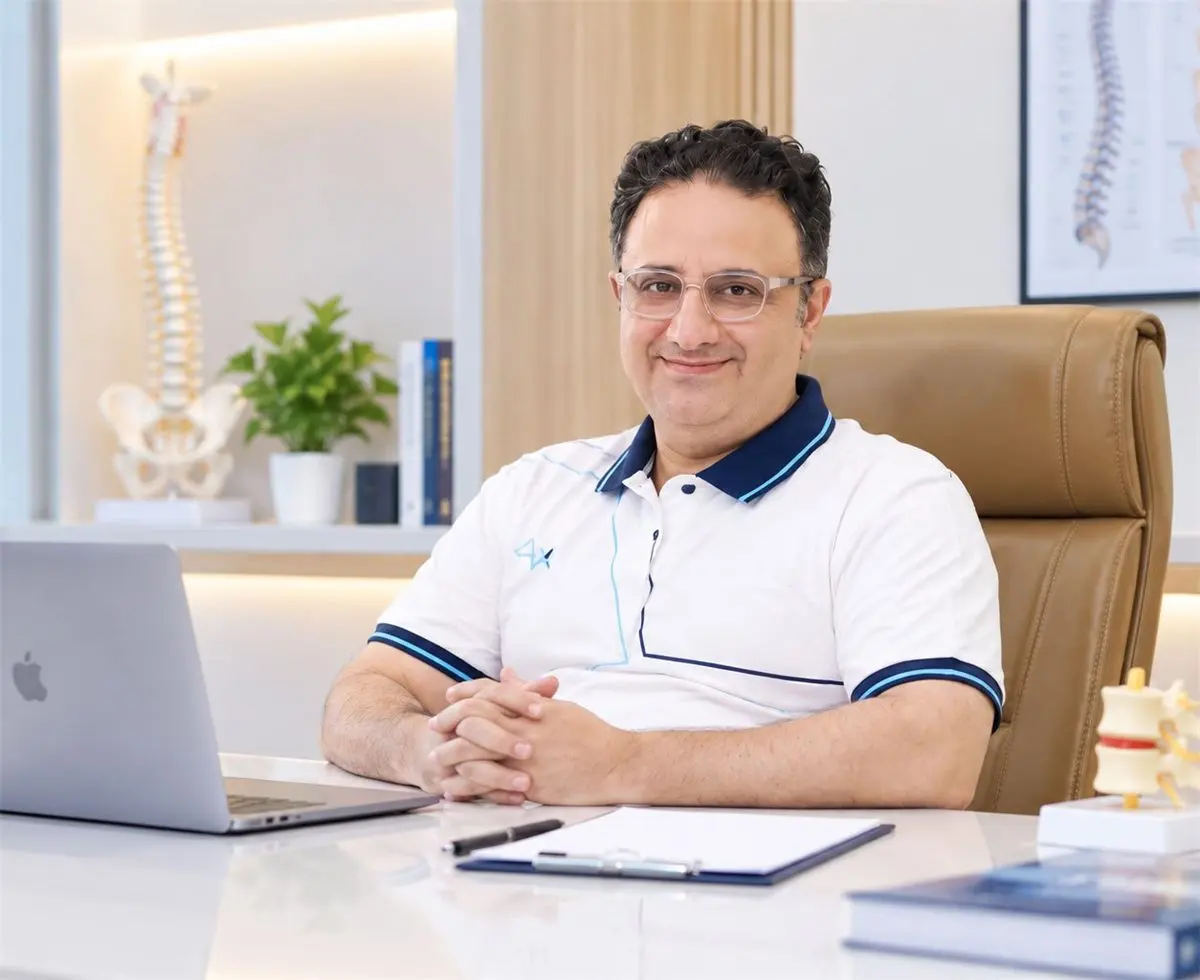
Reviewed by Dr. Varun Duggal – Chiropractor, Osteopath and Physiotherapist (MPT Ortho), Kirti Nagar, New Delhi.
Last updated: