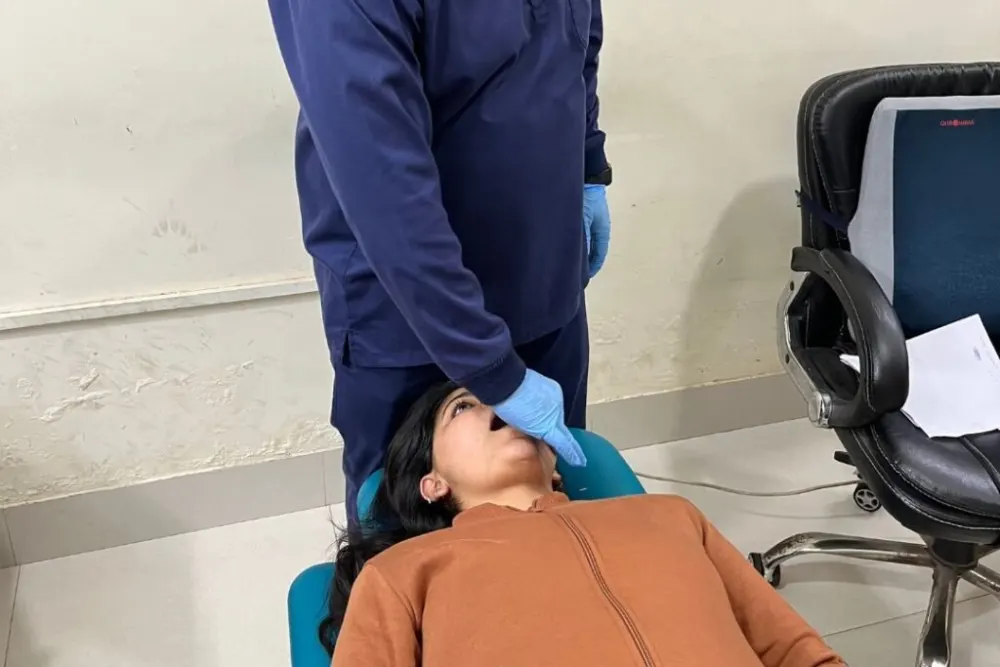
Cranial osteopathy is a very gentle hands-on approach to the head, face, neck and base of the spine. We use it for tension-type headaches, jaw (TMJ) tension, stress-related head and neck tightness, and for people who need a softer alternative to manipulation.
A gentle, light-touch approach
Cranial osteopathy uses subtle pressure and holds around the skull, jaw, neck and sacrum. The aim is to release tension in muscles, membranes and joints of the head and neck, and to help the body relax. Most patients find it deeply calming, and it is often suitable when firmer treatment is not.
What we commonly use it for
- Tension-type headaches and head pressure
- Jaw (TMJ) tension, clicking and clenching
- Neck and shoulder tension linked to stress
- Sinus-area pressure and facial tension
- As a calming part of treatment for migraine sufferers between attacks
An honest note
Scientific evidence for cranial techniques is limited and still debated. We do not claim they cure disease. We use them because many patients report clear relief from tension and stress-related symptoms, and we combine them with neck treatment, jaw exercises and posture advice that are better supported by research.
The session
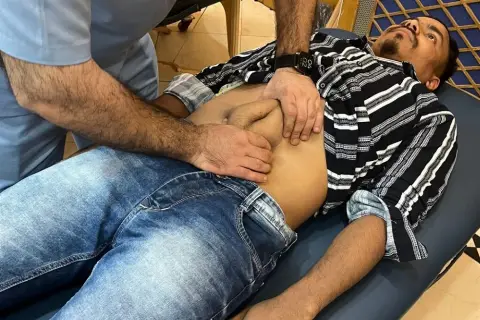
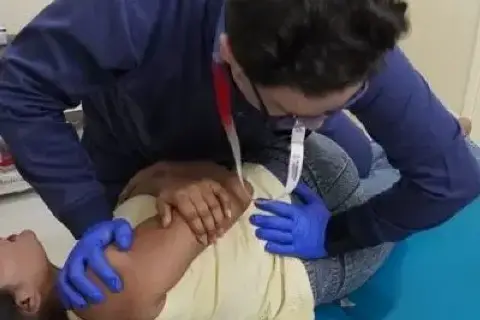
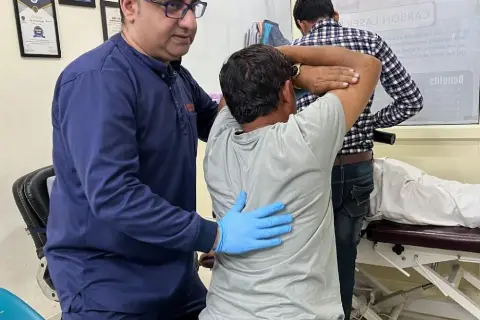
You lie comfortably on your back, fully clothed. The practitioner places their hands lightly on the head, jaw, neck or lower back and holds each position for a few minutes. Many people feel warmth, gentle movement or simply deep relaxation. Sessions last 30–45 minutes.
Cranial techniques are not used after a recent head injury, with bleeding in the brain, or with raised pressure inside the skull. Sudden severe headache needs emergency medical care.
Cranial Osteopathy: questions patients ask us
What does cranial osteopathy feel like?
Very light touch. Most people feel calm and relaxed; some feel warmth or gentle pulsing.
Can cranial osteopathy help headaches?
Many people with tension-type headaches report relief, especially combined with neck treatment and posture changes.
Is it suitable for TMJ problems?
Yes, as part of a plan that includes jaw exercises and habit changes.
Is there scientific proof?
Evidence is limited. We are open about this and combine it with better-researched treatments.
Do I need to undress?
No. You stay fully clothed.
Reviewed by Dr. Varun Duggal – Chiropractor, Osteopath and Physiotherapist (MPT Ortho), Kirti Nagar, New Delhi.
Last updated: