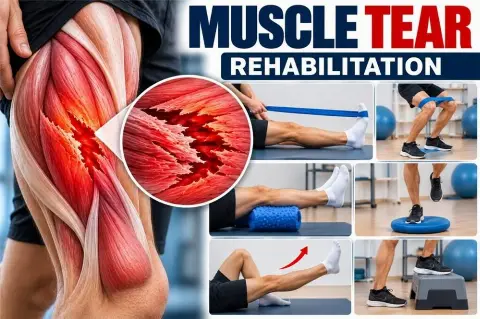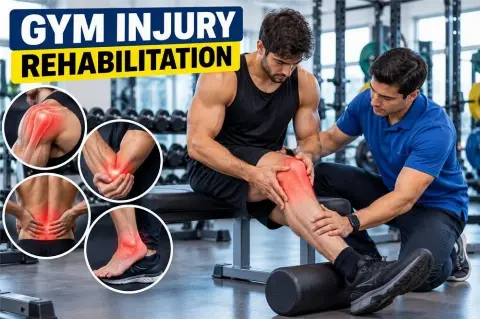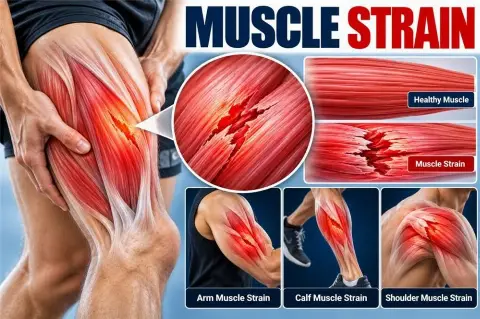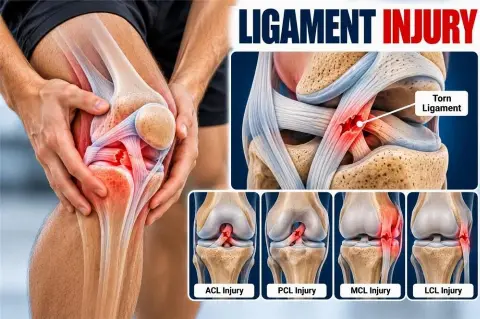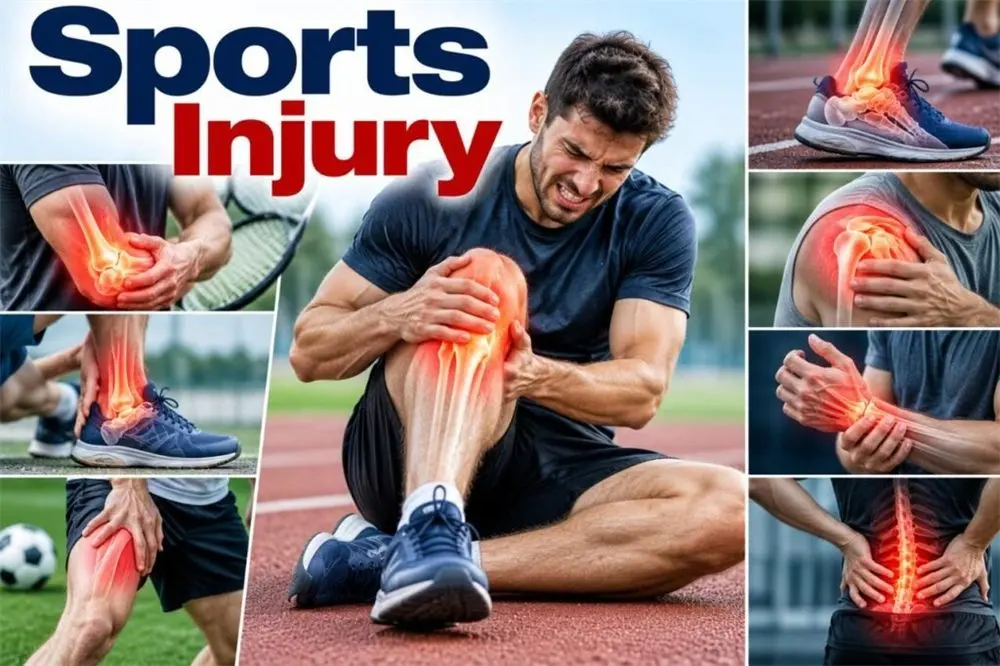
Sports injuries include sudden injuries – sprains, muscle strains, ligament tears, dislocations – and overuse problems such as tendinopathy and stress reactions. We assess the injury, manage pain and swelling, and guide a staged recovery from protection to strength, speed and sport-specific training, so you return with less risk of re-injury.
Two types of sports injuries
Acute injuries
Happen in a moment – rolling an ankle, pulling a hamstring while sprinting, twisting a knee. Usually there is immediate pain and often swelling or bruising.
Overuse injuries
Build up gradually from repeated loading – shin splints, tennis elbow, jumper’s knee, Achilles pain. Often linked to sudden training increases, technique or equipment.
Injuries we commonly treat
- Ankle sprains and instability
- Hamstring, calf, groin and quadriceps strains
- ACL, MCL and meniscus injuries
- Shoulder dislocations and rotator cuff injuries
- Tennis and golfer’s elbow
- Runner’s knee, IT band syndrome and shin splints
- Lower back strains in cricket, weightlifting and contact sports
First aid for acute injuries
For the first day or two: protect the area, use comfortable movement, apply ice for 10–15 minutes at a time, compress and elevate. Seek medical help for suspected fractures, dislocations, severe swelling, numbness or inability to bear weight.
Our recovery process
- Accurate diagnosis – clinical tests and imaging when needed
- Pain and swelling management – manual therapy and electrotherapy
- Restoring range of motion
- Progressive strengthening and conditioning
- Agility, power and sport-specific drills
- Objective return-to-play testing
Whether you play cricket, football, badminton or train in the gym, rehabilitation is planned around the demands of your sport and, with your permission, coordinated with your coach or trainer.
Returning too early – the most common mistake
Feeling pain-free is not the same as being ready. Many injured players go back as soon as the pain fades, only to re-injure the same area within weeks. Before returning to full matches, you should be able to:
- Move the injured joint through its full range without pain
- Show similar strength on both sides
- Hop, sprint, change direction or throw without hesitation
- Complete a full training session with no pain the next day
We test these before giving the all-clear.
Sports Injury: questions patients ask us
Should I see a physiotherapist or doctor for a sports injury?
For suspected fractures, dislocations or severe injuries, see a doctor first. For sprains, strains and overuse injuries, physiotherapy is often the right starting point.
How soon can I return to sport?
It depends on the injury. We use strength and functional tests, not just time, to decide.
Is ice or heat better for a sports injury?
Ice for the first 48–72 hours of an acute injury; heat can help stiffness later.
Can I train while injured?
Often yes, by training uninjured areas and modifying load on the injured part.
How can sports injuries be prevented?
Gradual training increases, warm-ups, strength training, good technique and adequate rest.
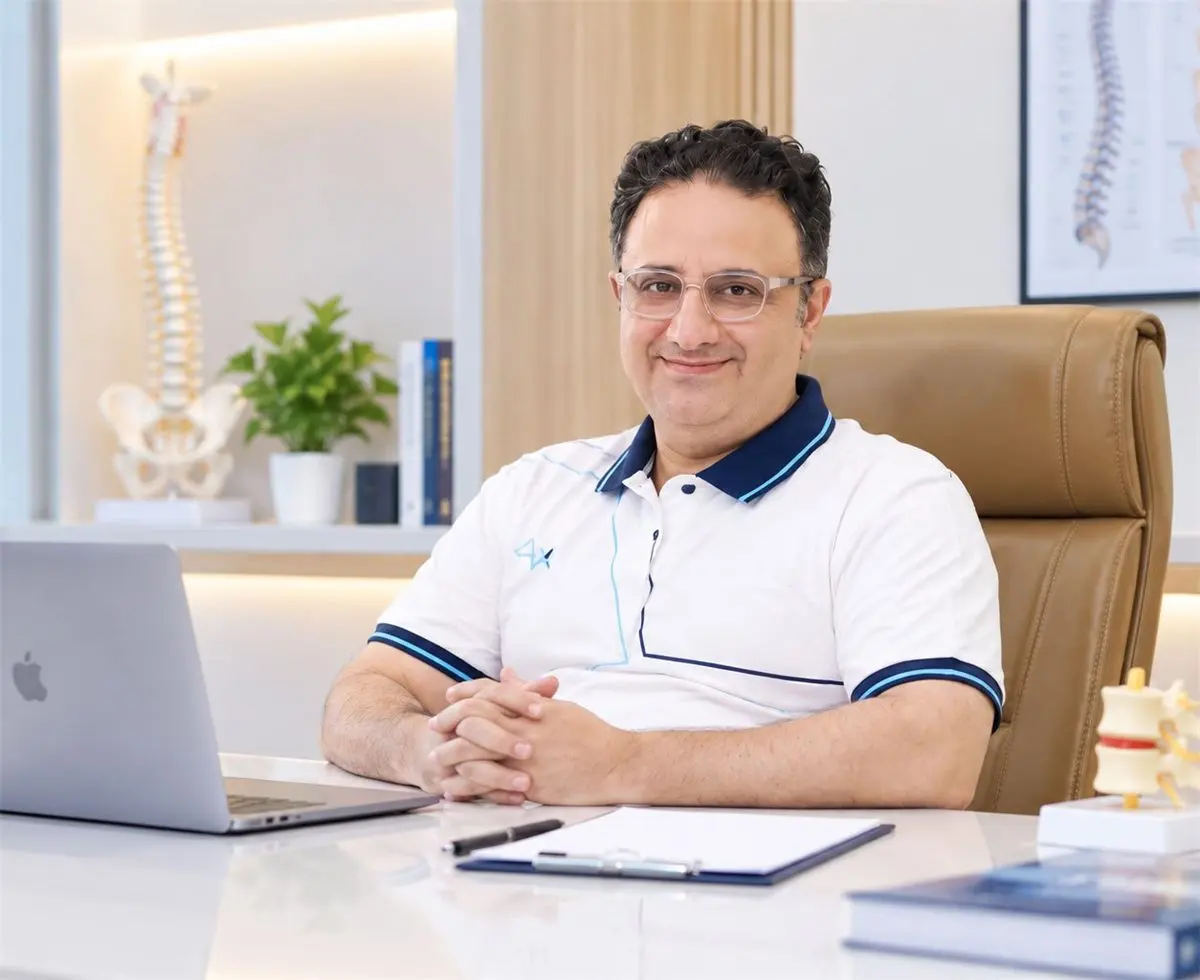
Reviewed by Dr. Varun Duggal – Chiropractor, Osteopath and Physiotherapist (MPT Ortho), Kirti Nagar, New Delhi.
Last updated: