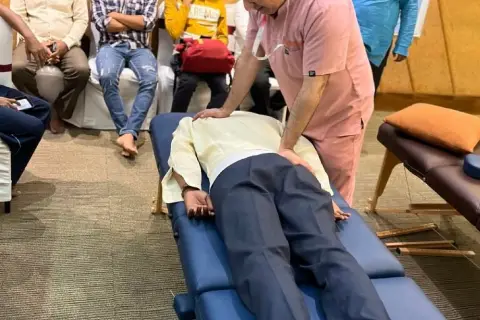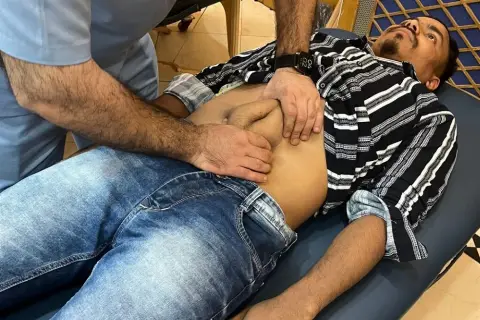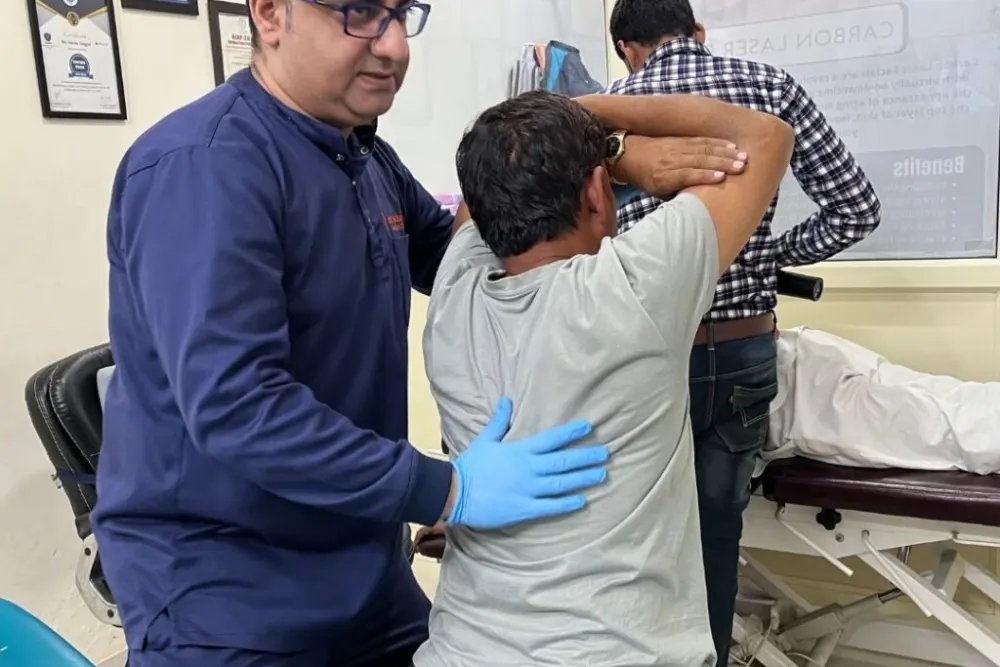
Manual therapy is skilled hands-on treatment of joints, muscles and soft tissue – including mobilisation, manipulation, soft-tissue release and assisted stretching. It is used for back, neck and joint pain, stiffness after injury or surgery, and to make exercise easier and more effective.
Hands-on care with a purpose
Manual therapy covers the techniques a trained therapist performs with their hands. It can quickly reduce pain and improve movement, which opens a “window” where exercise and normal activity become easier. That is why we always pair it with an active plan.
Techniques included
- Joint mobilisation – graded, rhythmic movements to loosen stiff joints
- Manipulation – a quick, precise movement, used only when suitable
- Soft-tissue release – pressure and stretching for tight muscles
- Muscle energy techniques – you push gently against resistance to relax a muscle
- Assisted stretching – the therapist helps you reach further than you could alone
Conditions we treat with manual therapy
- Back and neck pain, including disc-related pain
- Hip and knee arthritis
- Shoulder injuries and frozen shoulder
- Stiffness after sprains, strains and fractures
- Rehabilitation after ACL and other orthopaedic surgery
- Carpal tunnel and other nerve-related pain
- Postural imbalance
Combined with exercise
Manual therapy is most effective when it is followed by the right exercises. Each session ends with a short home routine so the improvement in movement lasts between visits.
Manual Therapy: questions patients ask us
What is the difference between manual therapy and massage?
Massage mainly works on muscles for relaxation. Manual therapy also treats joints and nerves, based on a clinical assessment.
Is manual therapy painful?
It may be uncomfortable at times but should not be painful. Pressure is always adjusted to you.
Does manual therapy work on its own?
It works best combined with exercise and activity changes.
Can it help after surgery?
Yes, once your surgeon allows it – for example after knee replacement or ACL reconstruction.
How many sessions are needed?
It depends on the problem; many people notice change within three to five sessions.
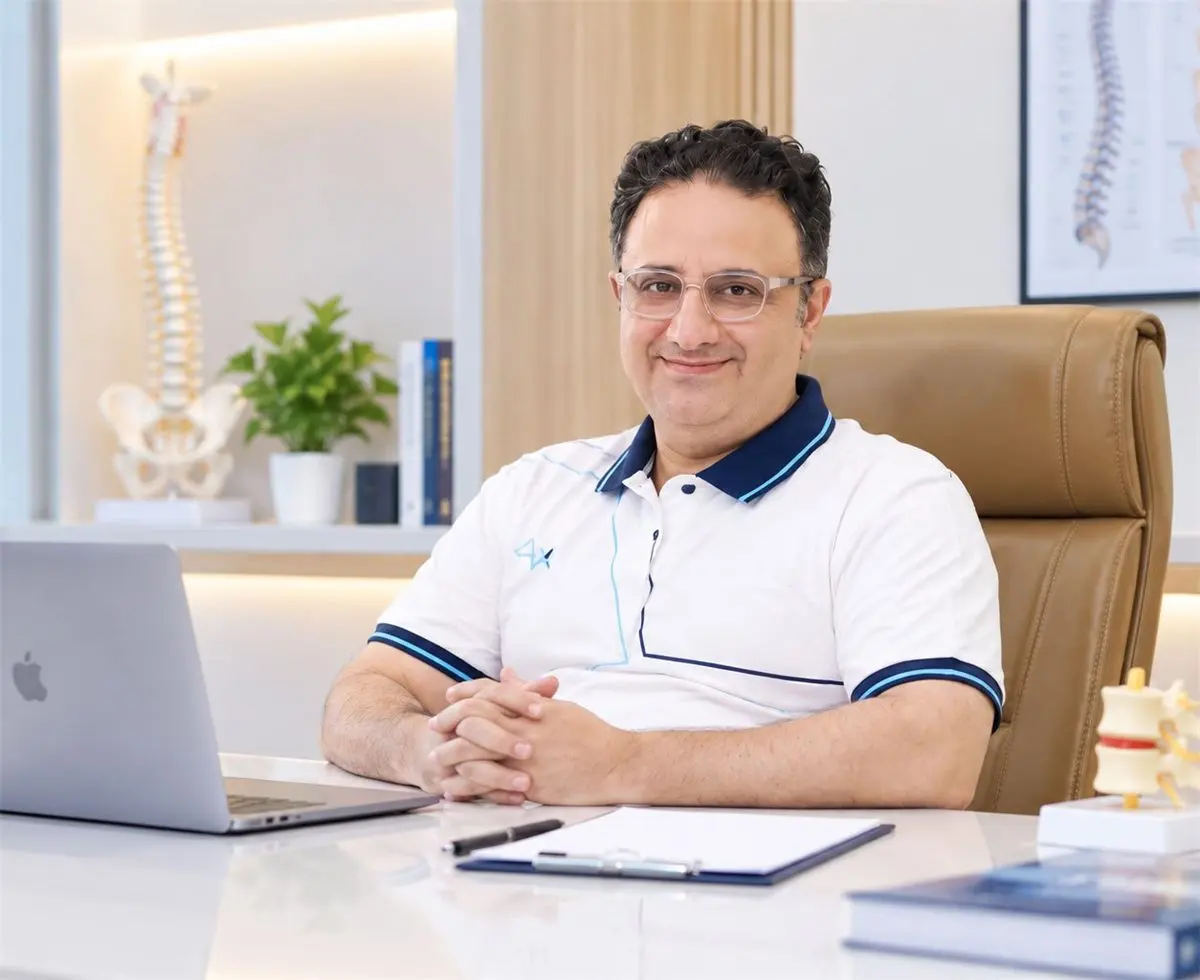
Reviewed by Dr. Varun Duggal – Chiropractor, Osteopath and Physiotherapist (MPT Ortho), Kirti Nagar, New Delhi.
Last updated: