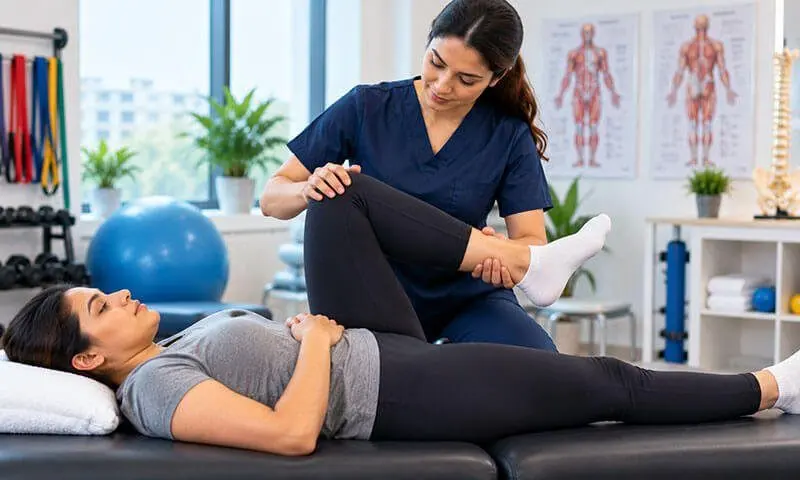
Physiotherapy uses guided exercise, hands-on techniques and machine-based therapies to reduce pain and rebuild movement. At our Kirti Nagar clinic every programme begins with an assessment by an orthopaedic physiotherapist and is reviewed as you improve.
What physiotherapy actually involves
Many people picture physiotherapy as a hot pack and a machine for twenty minutes. Good physiotherapy is far more active than that. It is about finding which movements your body is struggling with, why, and then rebuilding strength, flexibility and control step by step until everyday tasks stop hurting.
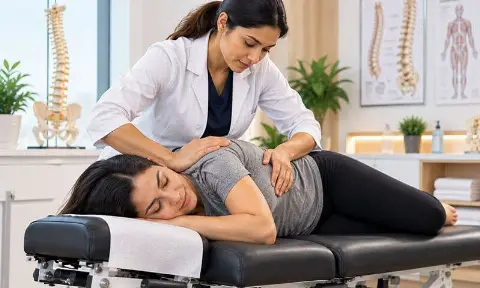
At our clinic the physiotherapy side of care is led by Dr. Varun Duggal, who holds a master’s degree in orthopaedic physiotherapy. Because he is also trained in chiropractic and osteopathy, hands-on techniques can be added when they will speed things up – but exercise remains the backbone of lasting recovery.
Problems we commonly treat with physiotherapy
- Low back pain, slip disc and sciatica
- Neck pain, cervical spondylosis and posture-related strain
- Knee pain, osteoarthritis and ligament injuries
- Frozen shoulder, rotator cuff problems and tennis elbow
- Recovery after fractures, knee or hip replacement and arthroscopy
- Stroke, Parkinson’s disease and other neurological conditions
What a session looks like
- Assessment: history, movement tests, strength and flexibility checks, and – where needed – nerve tests.
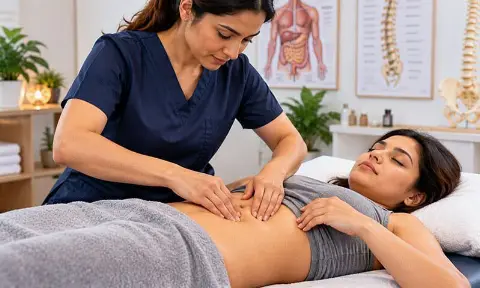
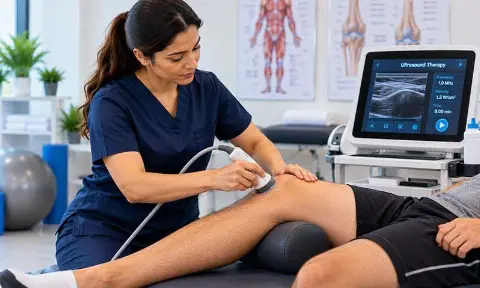
- Pain settling: soft-tissue work, joint mobilisation, or electrotherapy such as interferential or ultrasound therapy if pain is limiting movement.
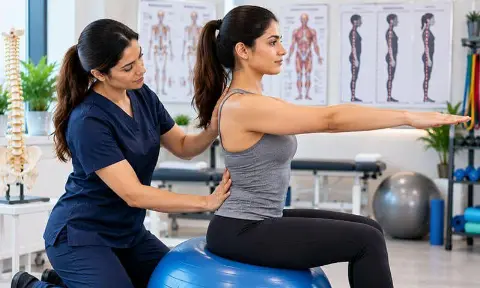
- Active exercise: exercises chosen for your specific weak or stiff areas, practised under supervision so the technique is right.
- Home programme: a short routine you can do in ten to fifteen minutes a day.
Why the exercise part matters most
Machines and massage can ease pain for a while, but muscles only get stronger and joints only move better when you use them. Patients who keep up their home exercises usually need fewer sessions and are less likely to see the problem return. We keep routines short and realistic for exactly that reason.
How many sessions?
A recent sprain or strain may settle in a handful of visits. Post-surgical rehabilitation or long-standing back problems usually take several weeks. We explain the expected timeline after your first assessment and review it as you go, so there are no open-ended treatment plans.
Physiotherapy for different stages of life
Students and young adults
Sports injuries, posture strain from long study hours, and early back or neck pain respond quickly when treated early. We focus on correct movement and strength so small problems don’t become long-standing ones.
Working adults
Desk-related neck and back pain, tennis elbow, and stiffness from driving are common. Sessions can be planned around office hours, and we give practical workplace advice.
Older adults
Arthritis, balance problems and recovery after joint replacement need patient, steady progress. Exercises are adapted to your strength and confidence, with fall prevention built in.
Physiotherapy: questions patients ask us
Is physiotherapy only for people who have had surgery?
No. Most of our physiotherapy patients have not had surgery. It is used for back and neck pain, sports injuries, arthritis, posture problems and neurological conditions, as well as after operations.
Will I just be put on machines?
No. Machines like IFT or ultrasound are sometimes used to ease pain, but the main part of every session is hands-on treatment and guided exercise matched to your assessment.
Can physiotherapy help me avoid knee or back surgery?
For many people with arthritis, disc problems or ligament strains, a well-structured physiotherapy programme reduces pain enough that surgery is not needed. Some conditions do need an operation, and we will tell you honestly if yours seems to be one of them.
Do I need to do exercises at home?
Yes – usually a short routine of two to four exercises. This is what turns short-term relief into lasting improvement.
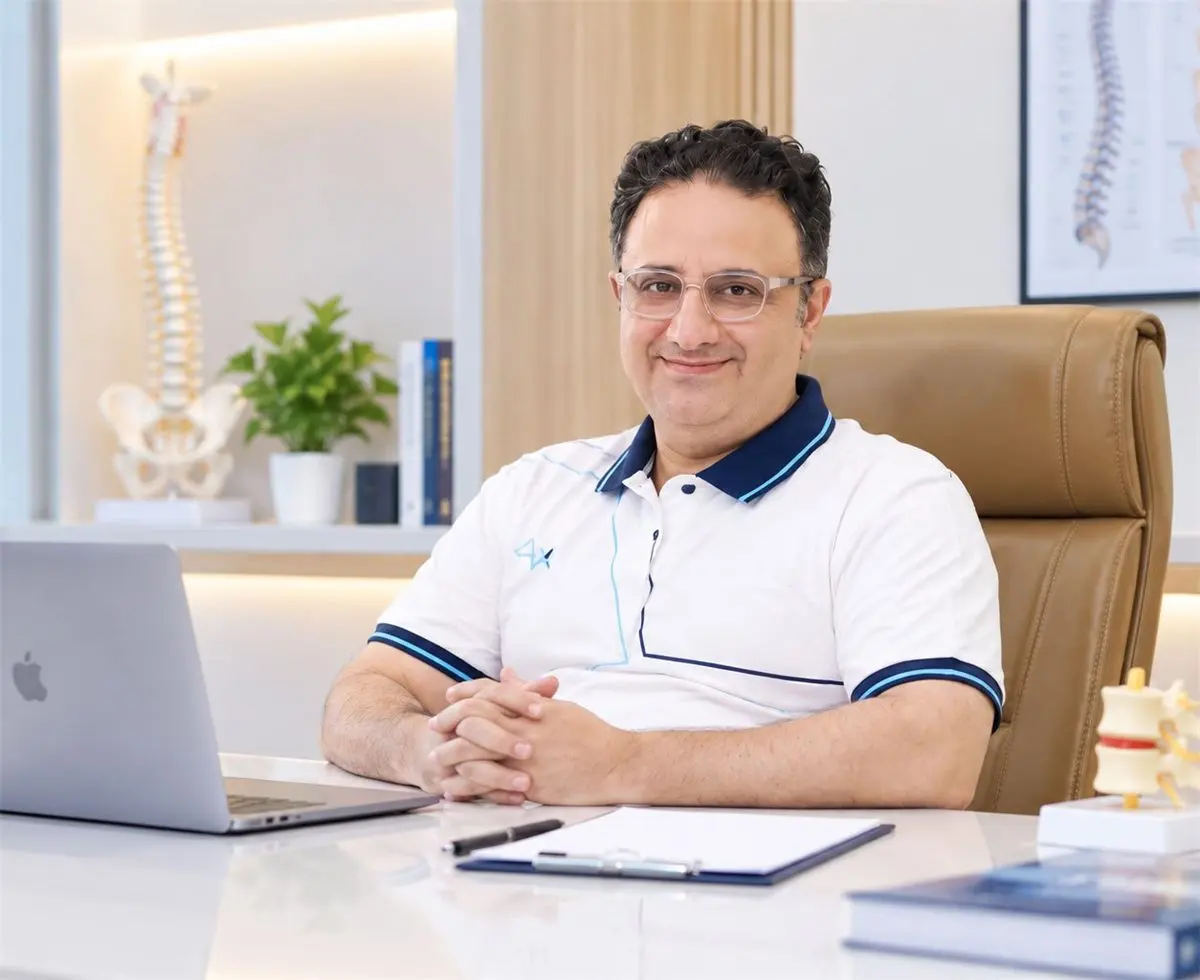
Reviewed by Dr. Varun Duggal – Chiropractor, Osteopath and Physiotherapist (MPT Ortho), Kirti Nagar, New Delhi.
Last updated: