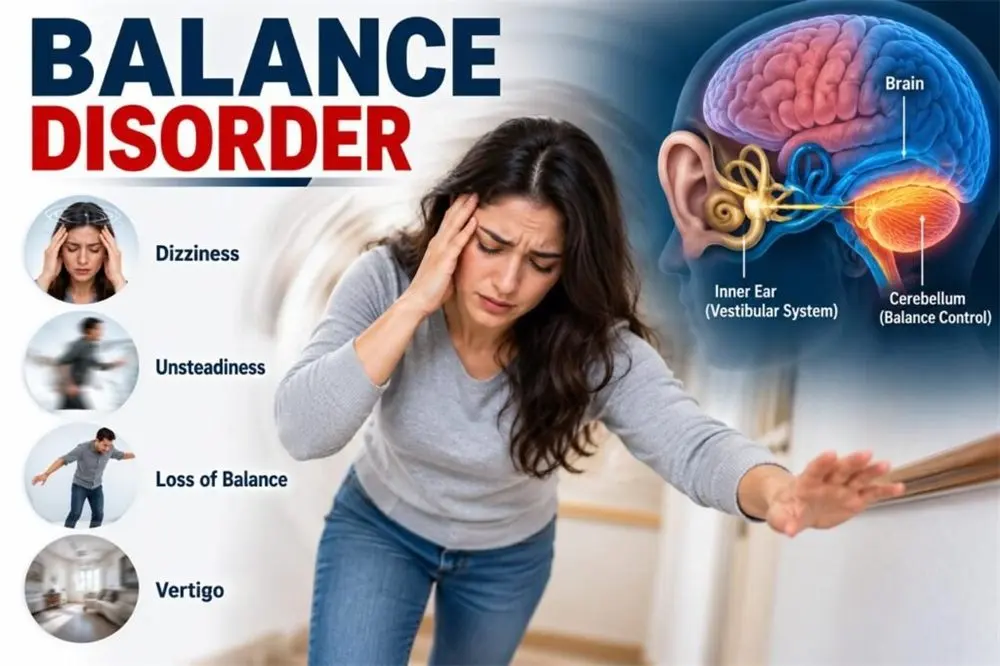
Balance disorders cause unsteadiness, dizziness or falls. Causes include inner-ear (vestibular) problems, neuropathy, weakness, neurological conditions, medicines and ageing. After identifying contributing factors, balance physiotherapy uses specific exercises, strength training and home-safety changes to improve stability and reduce falls.
How balance works
Staying upright depends on three information systems – the inner ear (vestibular system), vision, and sensation from the feet and joints – plus the brain’s processing and the strength to react. A problem in any one area, or several small problems together, can make you unsteady.
Common causes
- Inner-ear problems such as BPPV or vestibular neuritis
- Peripheral neuropathy reducing feeling in the feet
- Leg weakness and reduced activity
- Stroke, Parkinson’s and other neurological conditions
- Low blood pressure on standing, some medicines
- Poor vision or new glasses
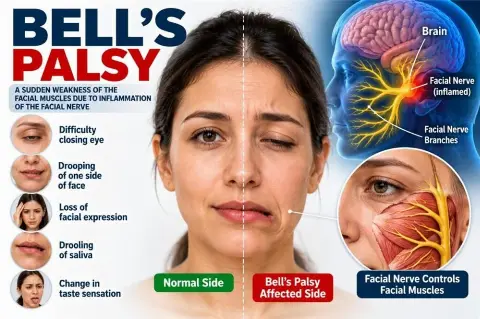
Sudden severe dizziness with slurred speech, double vision, facial drooping or limb weakness may be a stroke. Call an ambulance.
Our balance programme
- Detailed balance testing and fall-risk assessment
- Vestibular exercises for inner-ear-related dizziness
- Static and dynamic balance training, progressed safely
- Leg and core strengthening
- Walking, turning and reaching practice
- Home safety advice – lighting, rugs, grab rails, footwear
- Teaching how to get up safely after a fall
Results
Balance training is one of the most effective ways to reduce falls in older adults. Most people notice improved confidence within a few weeks of regular practice.
Balance Disorder: questions patients ask us
What causes balance problems in older adults?
Often a combination of leg weakness, reduced foot sensation, vision changes, inner-ear issues and medicines.
Can balance be improved with exercise?
Yes. Specific balance and strength training is very effective.
What is vestibular rehabilitation?
Exercises that retrain the brain to process inner-ear signals, reducing dizziness and imbalance.
How can I prevent falls at home?
Good lighting, removing loose rugs, grab rails in the bathroom and wearing supportive footwear.
Should I see a doctor for dizziness?
Yes, especially if it is new, severe or accompanied by other neurological symptoms.

Reviewed by Dr. Varun Duggal – Chiropractor, Osteopath and Physiotherapist (MPT Ortho), Kirti Nagar, New Delhi.
Last updated: