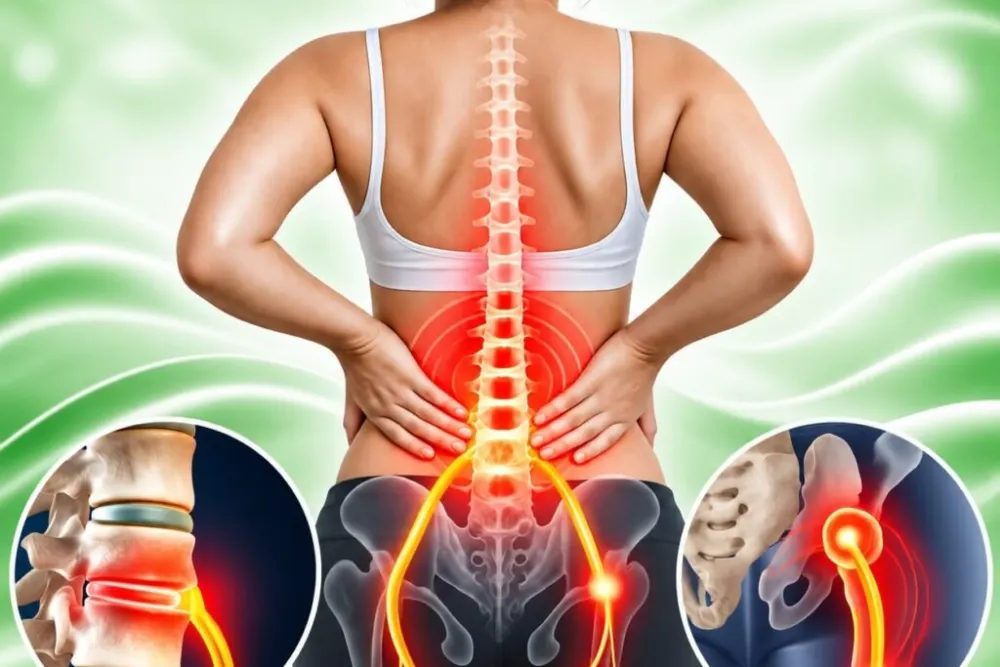
Ozone therapy uses a precise, low-concentration mixture of medical oxygen and ozone, given into or around painful tissue, to help reduce pain and inflammation. At our Kirti Nagar clinic it is used for selected cases of knee arthritis, disc-related back pain and stubborn tendon or muscle pain, always as part of a wider rehabilitation plan.
What is ozone therapy?
Ozone (O₃) is a form of oxygen. In medical ozone therapy, a machine produces an exact, low-concentration mixture of pure medical oxygen and ozone. Small, measured amounts are given into or around the painful area – such as a knee joint, the muscles beside the spine, or a tendon. The aim is to reduce inflammation and pain and to support the tissue’s own healing response.
Dr. Varun Duggal holds certification in ozone therapy from the United Kingdom and India, has completed basic and advanced ozone training, and is a member of the Ozone Forum of India. It is one of the main therapies at our clinic, but it is never used on its own or as the first step for everyone.
Conditions it is commonly used for
- Knee osteoarthritis that has not settled with exercise and physiotherapy
- Disc bulge or slip disc with back or leg pain (sciatica)
- Neck and back pain with persistent muscle spasm
- Frozen shoulder and rotator cuff tendon pain
- Tennis elbow, plantar fasciitis and other long-standing tendon problems
- Trigger point and myofascial pain
What the research says – an honest view
Studies on oxygen-ozone therapy for knee osteoarthritis and lumbar disc herniation report pain relief in many patients, and it has been used in parts of Europe for decades. However, research quality varies and it is not a cure. It does not regrow cartilage or remove a disc bulge. We offer it as a non-surgical option for suitable patients, alongside the exercise and hands-on treatment that build long-term strength.
How treatment works at our clinic
- Assessment first: history, examination and review of your X-ray or MRI to confirm ozone therapy is suitable.
- Clear consent: we explain the method, expected benefit, possible side effects and alternatives before you decide.
- Treatment: a precise dose is given under clean conditions. A session takes only a few minutes.
- Course: usually a short series of sessions, about a week apart, depending on the condition and your response.
- Rehabilitation: physiotherapy, chiropractic care and home exercises continue alongside, so the benefit lasts.
Safety
When medical-grade equipment and correct doses are used, ozone therapy is generally well tolerated. Mild soreness or a feeling of fullness at the site for a day or two is common. Ozone gas must never be breathed in – it irritates the lungs – which is why it is only used through controlled, closed systems by trained practitioners.
Ozone therapy is not suitable for people with G6PD deficiency (favism), during pregnancy, with uncontrolled overactive thyroid, bleeding disorders, a recent heart attack, or active infection at the treatment site. Please tell us about all your medical conditions and medicines.
Ozone Therapy: questions patients ask us
Is ozone therapy safe?
In trained hands with medical-grade equipment and correct doses, it is generally well tolerated. Mild local soreness for a day or two is common. It is not suitable for everyone, so we screen you first.
How many ozone therapy sessions will I need?
Most people have a short course of sessions about a week apart. The exact number depends on the condition and how you respond, and is discussed before you start.
Can ozone therapy help a slip disc without surgery?
Some patients with disc-related back and leg pain get significant relief, which can help them avoid surgery. It works best combined with decompression, physiotherapy and core strengthening.
Does ozone therapy cure knee arthritis?
No. It may reduce pain and stiffness for a period, but it does not reverse arthritis. Strengthening exercises remain essential.
Who should not have ozone therapy?
People with G6PD deficiency, pregnant women, and those with uncontrolled hyperthyroidism, bleeding disorders, a recent heart attack or an infection at the site.
Reviewed by Dr. Varun Duggal – Chiropractor, Osteopath and Physiotherapist (MPT Ortho), Kirti Nagar, New Delhi.
Last updated: