
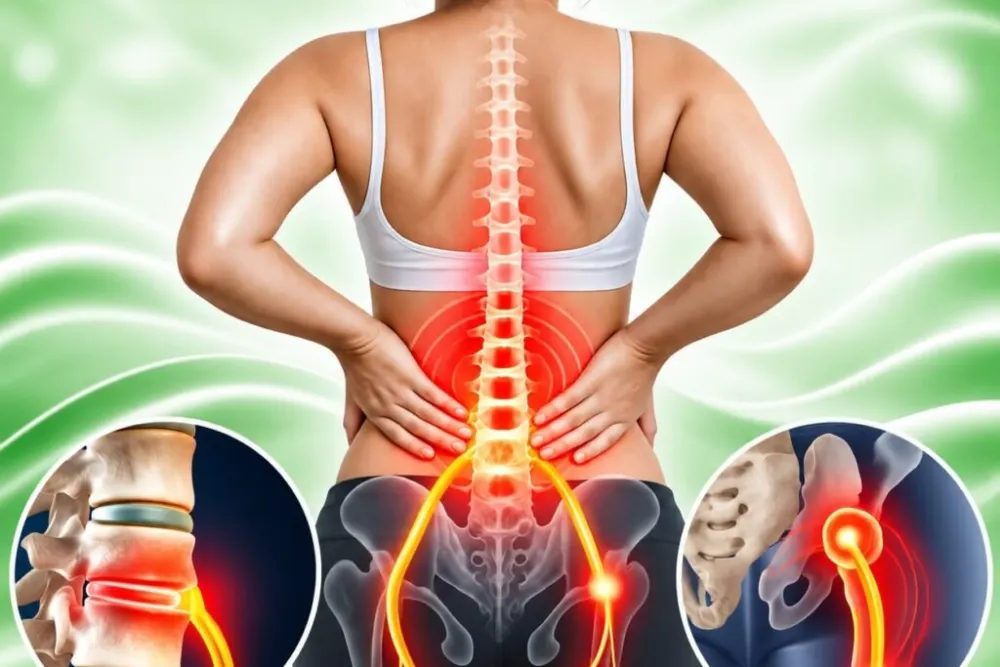
Many patients ask us about ozone therapy after hearing about it from a friend or family member. It can be a useful non-surgical option for some people with knee or back pain – but it is important to understand what it can and cannot do.
What it is
Medical ozone therapy uses a precise, low-concentration mixture of medical oxygen and ozone. Small, measured amounts are given into or around painful tissue to help reduce inflammation and pain.
Who it may help
- People with knee osteoarthritis whose pain has not settled with exercise
- People with disc-related back or leg pain who want to avoid surgery
- Stubborn muscle spasm or tendon pain
What the evidence says
Studies in knee arthritis and lumbar disc herniation report pain relief for many patients, but research quality varies and results are not guaranteed. Ozone therapy does not rebuild cartilage or “dissolve” a disc. It works best as one part of a plan that also strengthens the muscles around the joint or spine.
Who should avoid it
- People with G6PD deficiency (favism)
- Pregnant women
- Uncontrolled overactive thyroid, bleeding disorders or a recent heart attack
Questions to ask before treatment
- Is my condition one that ozone therapy is used for?
- How many sessions are planned, and how will we judge if it is working?
- What exercises and other treatment will go alongside it?
At our clinic, ozone therapy is given by Dr. Varun Duggal, who is certified in ozone therapy, after a full assessment. Learn more on our ozone therapy page.